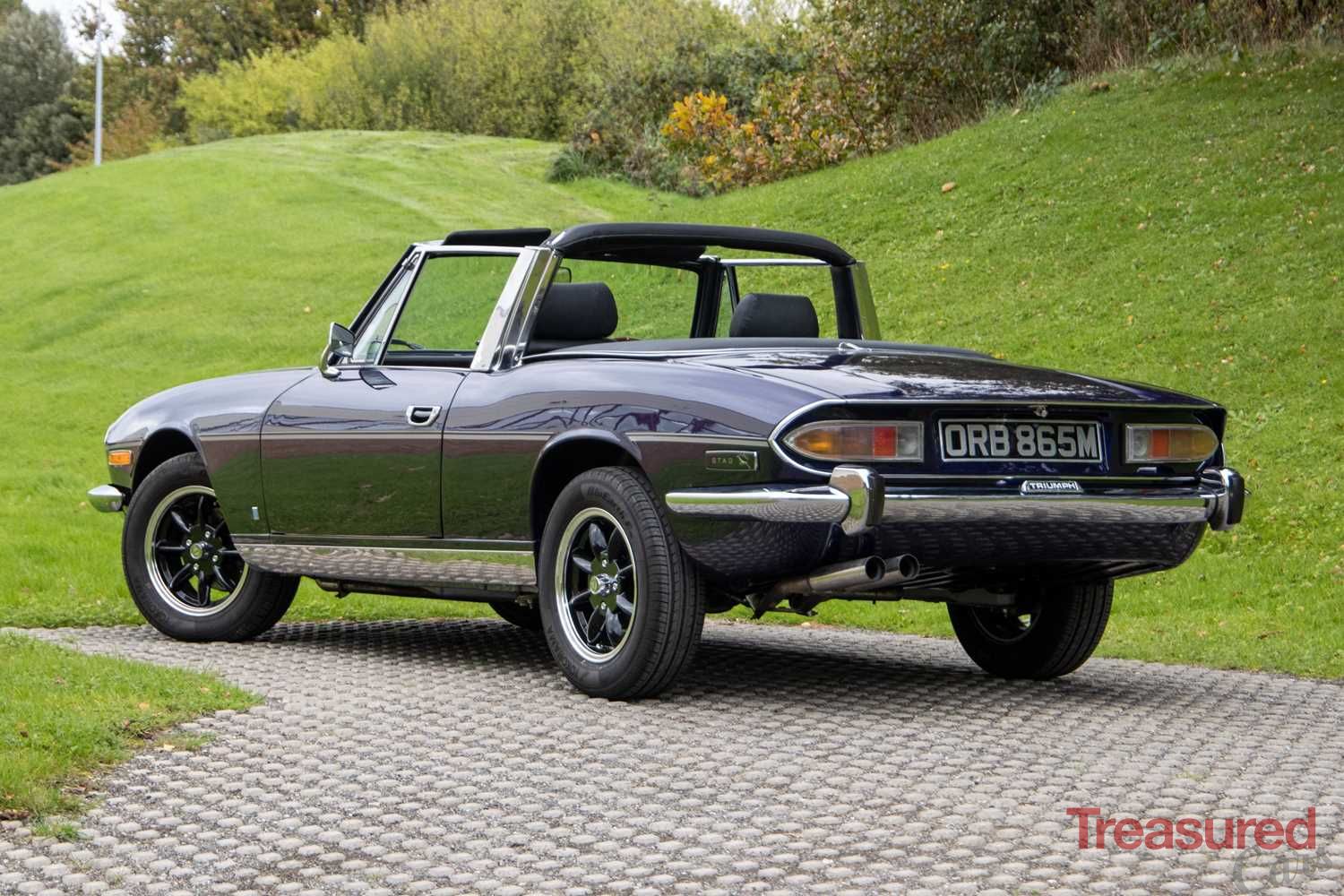
Why the 1973 Triumph Stag Remains a Classic Treasure
The 1973 Triumph Stag, with its sleek British lines and distinctive V‑type engine, continues to attract collectors seeking a blend of sportiness and vintage charm. Listed for sale on Treasured Cars, the car’s rarity and storied heritage make it a focal point for enthusiasts who appreciate both engineering history and the allure of classic roadsters.
What sets the 1973 Triumph Stag apart from other vintage roadsters?
Introduced in the early 1970s, the Stag was Triumph’s answer to the growing demand for affordable, high‑performance convertibles. Its 2.0‑liter V8, a rarity among British cars of the era, delivered a lively 130 hp, giving the Stag a 0‑60 mph time near 9 seconds—a respectable figure for its time. The chassis, based on the Triumph 2000, combined solid handling with a comfortable ride, allowing drivers to enjoy spirited corners without sacrificing daily usability.
Stylistically, the Stag’s long bonnet, flared wheel arches, and chrome‑trimmed grille evoke a refined yet muscular aesthetic. The interior features a walnut‑styled dashboard, wood‑grain trim, and optional leather upholstery, offering an ambiance that feels both upscale and driver‑focused.
Why is the 1973 Triumph Stag a sought‑after collector’s item today?
Several factors converge to drive demand. First, production numbers were limited—just over 5,000 units were built before the model was discontinued in 1975—creating inherent scarcity. Second, the Stag’s V8, while celebrated for its sound and character, suffered from reliability issues that many owners have since remedied, turning well‑maintained examples into “good as new” specimens. Finally, the car’s cultural footprint, appearing in period films and enthusiast magazines, cements its status as an emblem of 1970s motoring.
Restorers often highlight the Stag’s convertible top mechanism as a point of pride; the manually operated fabric roof can be raised or lowered in under a minute, offering a tactile connection to the vehicle’s mechanical roots that modern electric tops lack.
How can prospective buyers evaluate a 1973 Triumph Stag before purchasing?
Given the model’s age, a thorough inspection is essential. Start with the engine block: look for signs of overheating, such as warped heads or cracked pistons, and verify that the cooling system has been updated or rebuilt. Examine the gearbox for smooth gear shifts—any grinding may indicate worn synchros or bearing issues.
Chassis integrity is another key metric. Check for rust on the floor pan and bulkheads, especially around the rear suspension mounting points where moisture can accumulate. The original suspension components—coil springs and shock absorbers—should be examined for leaks or loss of damping performance.
Documentation adds confidence. Original build sheets, service records, and any restoration receipts help trace the car’s maintenance history, reducing the risk of hidden problems.
What does owning a 1973 Triumph Stag mean for the modern driver?
Beyond the thrill of revving a classic V8, the Stag offers a tactile driving experience that contrasts sharply with today’s digital dashboards. Manual steering, analog gauges, and a direct mechanical link between driver and machine foster a sense of involvement often missing in contemporary cars. For collectors, the Stag can serve as a weekend cruiser, a showpiece at classic car events, or even a project to refine engineering skills.
In an era where automotive nostalgia fuels a thriving marketplace, the 1973 Triumph Stag stands as a testament to British ingenuity and timeless design. Whether viewed as an investment, a hobby, or a living piece of history, the Stag continues to deliver the joy that first made it a legend on the road.