KEYNOTE‑091 Clinical Trial: Design, Outcomes, and Future Directions in Non‑Small Cell Lung Cancer
The KEYNOTE‑091 study, a pivotal phase III investigation, evaluated whether adding the immunotherapy drug pembrolizumab to standard platinum‑based chemotherapy could improve survival in patients who have had early‑stage non‑small cell lung cancer (NSCLC) surgically removed. The trial’s results have reshaped adjuvant treatment strategies and opened new avenues for post‑operative care.
What Was the Study Design?
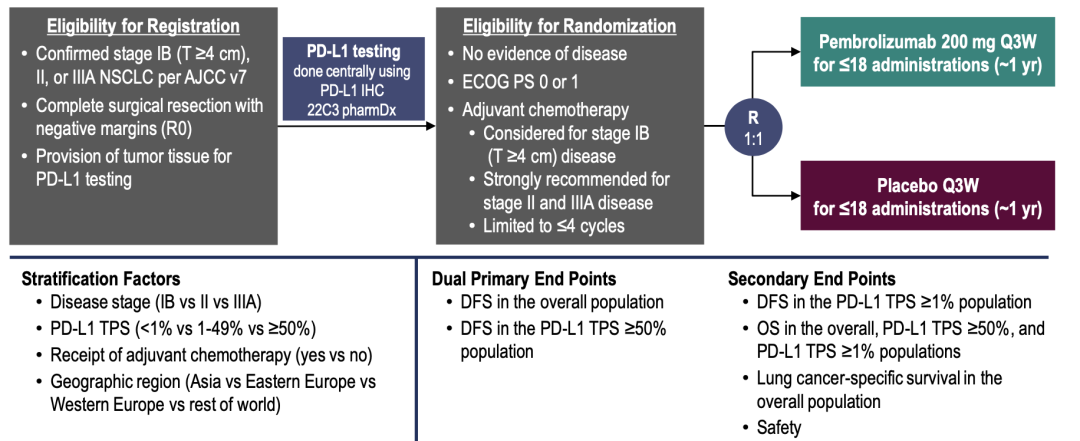
KEYNOTE‑091 was a randomized, open‑label trial enrolling adults who had undergone complete resection of stage I–IIIA NSCLC and who were at high risk for recurrence. Participants were assigned to receive either 17 cycles of pembrolizumab plus two cycles of chemotherapy or 17 cycles of chemotherapy alone. The primary endpoint was disease‑free survival (DFS), with secondary endpoints including overall survival (OS) and safety.
Who Participated?
More than 2,500 patients from 300 centers worldwide were screened; 1,600 met eligibility criteria and were randomized. The cohort was diverse: roughly 70% had adenocarcinoma, 30% squamous cell carcinoma, and 30% expressed PD‑L1 at a level of ≥1%. Patients were stratified by PD‑L1 expression, smoking status, and tumor stage to balance known prognostic factors.
What Did the Results Show?
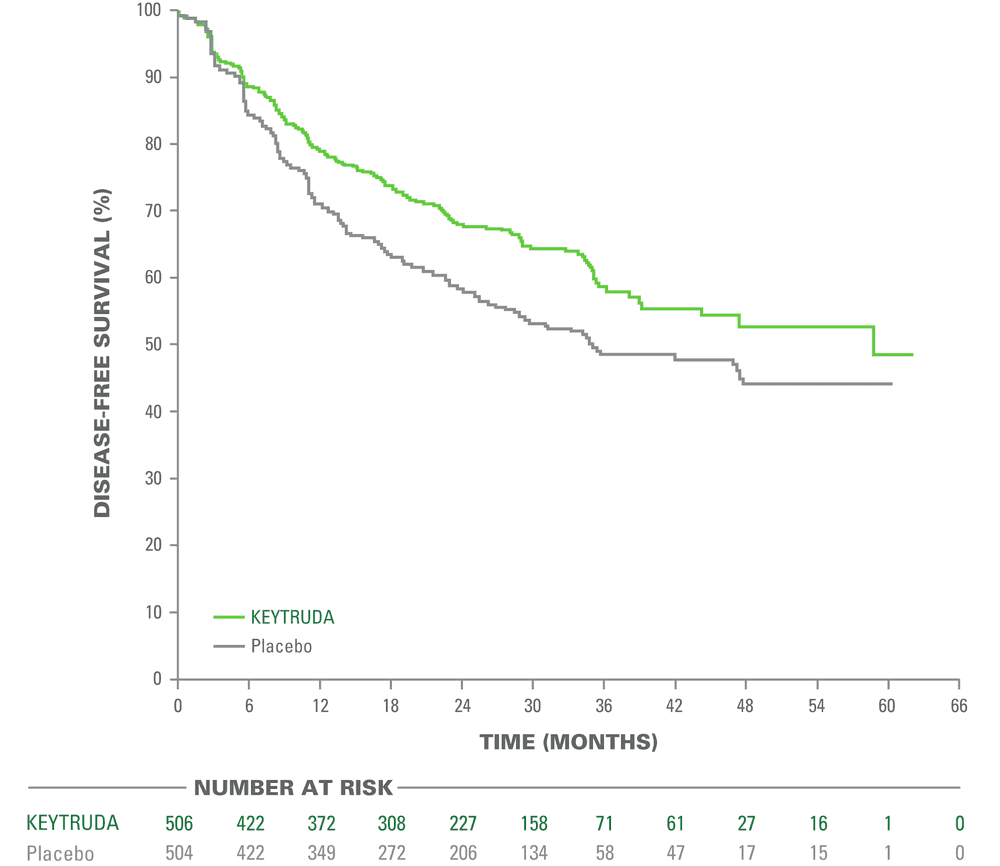
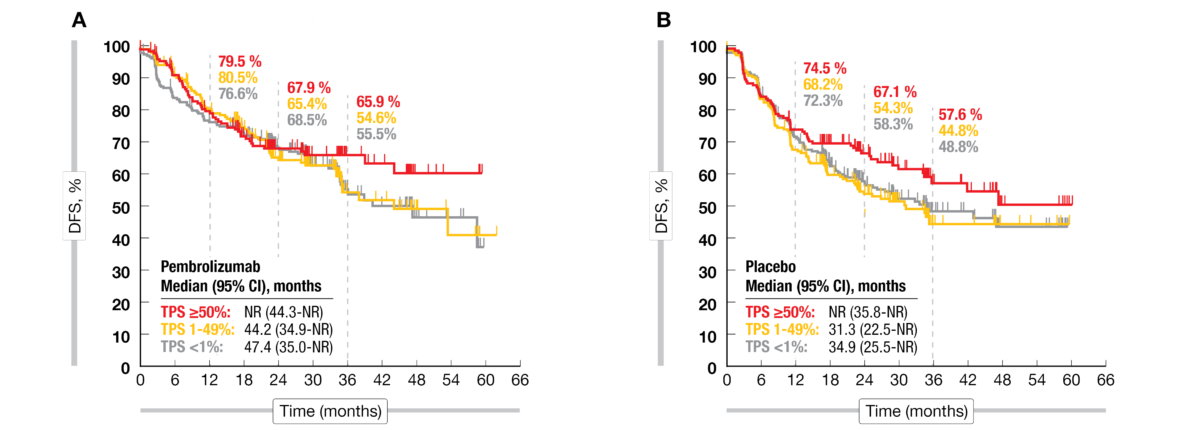
After a median follow‑up of 33 months, the addition of pembrolizumab significantly extended DFS. The hazard ratio (HR) for recurrence or death was 0.69 (95% CI, 0.58‑0.82), representing a 31% reduction in risk. OS data were immature but suggested a trend favoring the immunotherapy arm. Importantly, the benefit was most pronounced in patients with PD‑L1 expression ≥50%, where the HR dropped to 0.58.
How Do These Findings Influence Treatment?
- Standard of Care Shift: For eligible patients, adjuvant pembrolizumab is now recommended by major guidelines, replacing chemotherapy alone in many settings.
- Patient Selection: PD‑L1 testing remains critical; patients with low or negative expression may derive less benefit and could be managed with observation or alternative therapies.
- Safety Profile: Grade ≥ 3 adverse events were similar between arms (~15%), with immune‑related events occurring in 7% of the combination group. Most were manageable with steroids and prompt discontinuation.
What to Expect Next?
Ongoing analyses will evaluate long‑term OS and quality‑of‑life outcomes. Additionally, researchers are exploring whether earlier initiation of pembrolizumab or combining it with other immunotherapeutic agents can further improve outcomes. For clinicians, incorporating PD‑L1 testing into pre‑operative workup and engaging patients in shared decision‑making about adjuvant therapy options will become standard practice.
Pembrolizumab Versus Placebo As Adjuvant Therapy For Completely
00518-6/asset/34067555-57dc-411d-93d4-2cb1d2c6dfba/main.assets/gr3_lrg.jpg)
Pembrolizumab versus placebo as adjuvant therapy for completely ...
Adjuvant Immunotherapy In Non–Small Cell Lung Cancer: Who Benefits?

Adjuvant Immunotherapy in Non–Small Cell Lung Cancer: Who Benefits?
Treatment Benefits And Outcome Determinants In (neo)adjuvant Trials
Treatment benefits and outcome determinants in (neo)adjuvant trials ...